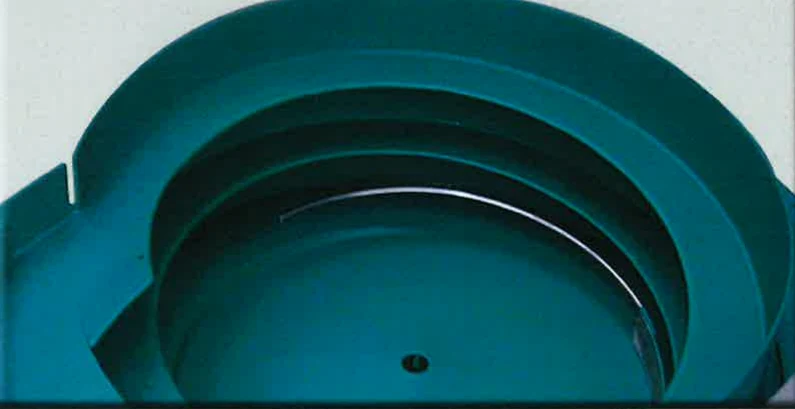
Match the surface to the workpiece.
The supplied Technomine catalog describes ambient-curing polyurethane coatings, smooth and textured finishes, and antistatic variants. These are selection options; availability and final properties need confirmation for your project.
- Smooth surfaces
- Discuss part protection, cushioning and the required movement of the workpiece.
- Textured surfaces
- Specify the workpiece size, weight, oil exposure and feeding behaviour.
- Antistatic variants
- State the electrical requirement and test method; do not assume every PU coating is antistatic.
Performance is agreed for your application.
Confirm the substrate, coated area, thickness and masking first. Agree the electrical, acoustic or corrosion tests needed for the operating environment before sample approval.
Food and medical equipment applications
Tell us whether the coated part contacts food, a medical product or only the handling equipment. We review the selected material, contact conditions, destination market and required test documents with your order. RoHS evidence is checked against the specified material and report scope.
Questions before you start
What thickness should I specify?
The catalog gives approximately 0.3–3.0 mm for its TM-1 polyurethane example. This is a catalog reference, not a universal production tolerance. Confirm thickness, geometry and fit for your part.
Can a coated feeder bowl solve a feeding issue?
Describe the workpiece, feed rate target, existing surface and the observed issue. Select and validate the surface on a representative sample; coating alone does not establish a guaranteed feeding result.